As the launch of Path of Exile 2 (PoE 2) draws closer, players are diving into every detail revealed by Grinding Gear Games—including the powerful and customizable Atlas Tree system. One of the standout specializations within this system is the PoE 2 Dawn of the Hunt Atlas Tree, which enhances Bestiary content for those who enjoy beast hunting, powerful crafting, and high-value loot.
In this article, we’ll explore everything you need to know about the PoE 2 Dawn of the Hunt Atlas Tree—its function, key passives, optimal strategies, and how to make the most of this beast-focused route in the Atlas of Worlds.
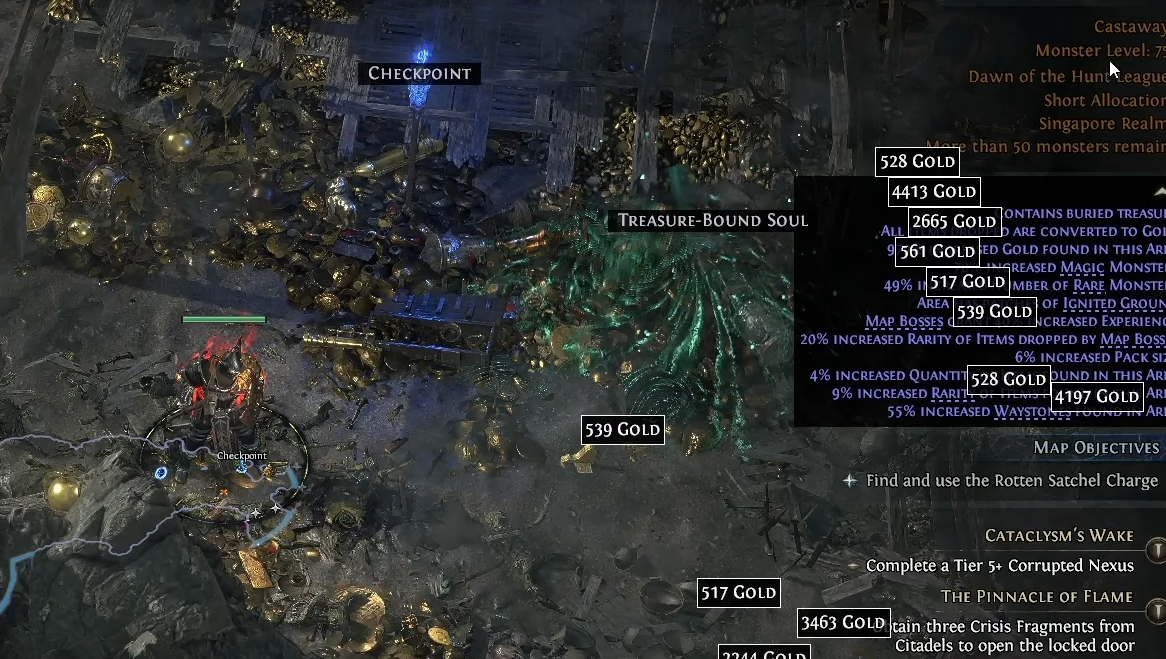
![[PoE 2] FULL ATLAS Tree for MORE LOOT / DIVINES - Endgame Strategy Guide for Path of Exile 2 0.2](https://sk0.blr1.cdn.digitaloceanspaces.com/sites/670739/posts/1153139/dtpgsrwlrq1754399522.webp)
What Is the PoE 2 Dawn of the Hunt Atlas Tree?
In Path of Exile 2, the Atlas Tree is a passive skill tree that allows players to shape the content they experience when running maps. The Dawn of the Hunt cluster is a specific section of this tree that focuses on Bestiary encounters, boosting the number, rarity, and rewards of beasts captured with Einhar.
The PoE 2 Dawn of the Hunt Atlas Tree is ideal for players who want to:
Encounter rare and legendary beasts more often
Farm valuable Bestiary crafting ingredients
Use beast-crafting to enhance or modify gear
Profit from selling beasts or crafted items to other players
Why Focus on Dawn of the Hunt in PoE 2?
Here’s why the PoE 2 Dawn of the Hunt Atlas Tree is a worthwhile investment:
High-Value Beast Rewards
The tree boosts the frequency and quality of rare beasts, including those needed for crafting powerful modifiers like Aspect of the Cat, Avian, Spider, and Crab.
Consistent Einhar Missions
The tree improves Einhar’s presence in maps, meaning more beast captures and more chances at valuable loot or crafting components.
Beastcrafting Potential
Crafting with beasts allows players to perform specific gear upgrades not available through other crafting methods, giving a huge edge in both gameplay and economy.
Key Nodes in the PoE 2 Dawn of the Hunt Atlas Tree
The Dawn of the Hunt cluster includes several powerful passives. While final values and names might be updated in PoE 2, the core mechanics follow these principles:
Natural Selection
Increases the odds that captured beasts are rare or legendary, improving the quality of Bestiary crafts.
The Great Migration
Maps occasionally become fully populated by beasts, creating high-reward, high-intensity encounters that are ideal for farming.
Big Game Hunter
Enhances the health and rewards of beasts, making encounters harder but far more profitable.
Hunt for Answers
Boosts Einhar’s chance to appear in your maps, ensuring steady Bestiary content throughout your play sessions.
These nodes work synergistically with beast scarabs and map modifiers to produce excellent farming conditions.
Best Strategy for Using the PoE 2 Dawn of the Hunt Atlas Tree
To maximize returns from your Dawn of the Hunt investment:
1. Use Bestiary Scarabs
Apply Polished, Gilded, or Winged Bestiary Scarabs to increase the number of beast encounters per map.
2. Target Specific Beasts
Some beasts are extremely valuable. Examples include:
Farric Lynx Alpha (Aspect of the Cat)
Craicic Chimeral (unique flask mods)
Saqawal Beasts (Aspect of the Avian)
3. Run High-Mobility Builds
Beast maps can be chaotic. Choose a build that can kite, clear quickly, and handle tanky enemies.
4. Sell to Crafters
Many beastcrafting options are in demand by top-tier players. If you’re not crafting yourself, trade these beasts for currency like Divine or Exalted Orbs.
Best Maps for PoE 2 Dawn of the Hunt Farming
The following maps are excellent for beast hunting due to their open layouts, ease of navigation, and high mob density:
Crimson Temple
Cemetery
Jungle Valley
Mesa
Tropical Island
Pair these maps with Sextants that increase Einhar appearances or Bestiary modifiers for even more efficiency.
Beastcrafting: What You Can Do with Captured Beasts
Using the Menagerie in PoE 2, players can apply beastcrafts to their gear. Popular uses include:
Adding or removing modifiers
Upgrading normal items to rare
Creating Aspect-modified gear for builds
Modifying flasks and jewelry
Opening portals to boss-like Bestiary encounters
All of these actions depend on the quality and rarity of the beasts you've captured—which is why the PoE 2 Dawn of the Hunt Atlas Tree is so important.
Conclusion
The PoE 2 Dawn of the Hunt Atlas Tree is a top-tier choice for players who enjoy beast hunting and crafting or simply want to generate consistent profit through farming. By investing in the right nodes and strategies, you’ll encounter more powerful beasts, collect rare crafting components, and unlock one of the most rewarding paths in the Atlas of Worlds.
Whether you’re playing solo or trading actively, this Atlas Tree specialization ensures you're never short on action—or on riches.


Write a comment ...